
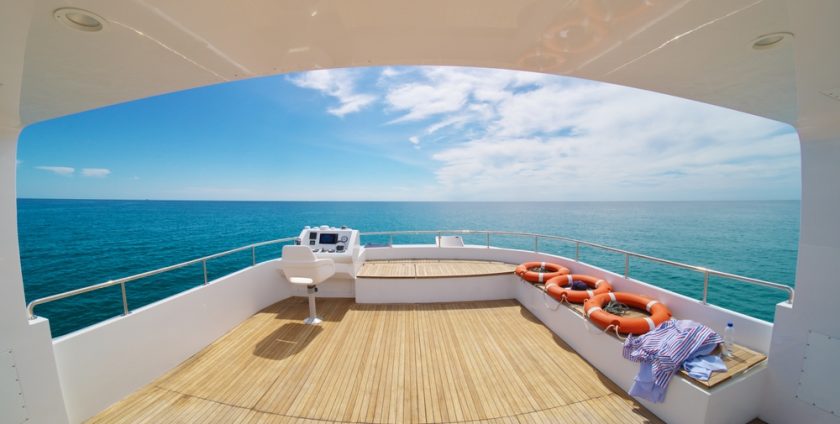
Sustainable Yacht Decking
As sustainability becomes an increasingly important consideration across the yachting industry, owners, captains, and shipyards are looking for practical ways to reduce environmental impact without compromising quality, aesthetics, and performance.
While fuel consumption and propulsion technologies often dominate discussions around emissions, yacht decking can also play a significant role in reducing a vessel’s overall environmental footprint. Through smarter maintenance strategies, responsible material sourcing, and the adoption of innovative decking solutions, yacht owners can make meaningful reductions to their carbon footprint.
At Kreative Decks, sustainability is not simply about replacing traditional materials. It is about extending the lifespan of existing decks, reducing waste, and making responsive choices throughout the lifecycle of a yacht decking project.
Why Yacht Decking Has an Environmental Impact
The environmental impact of yacht decking varies significantly depending on the scope of work being carried out.
Routine maintenance activities such as replacing a few damaged planks, carrying out localised repairs, or recaulking teak deck systems generally have a relatively low environmental impact. These projects require fewer materials, generate less waste, and avoid many of the intensive processes associated with complete deck replacement.
The situation changes considerably when an entire deck needs to be removed.
Removing an existing teak deck generates substantial waste. Old teak planks are often contaminated with adhesives, caulking compounds, and marine residues, making recycling extremely difficult. In many cases, the removed material must be processed through specialist disposal methods rather than being reused.
A complete redecking project may also involve:
- Removal and disposal of existing materials
- Extensive labour requirements
- Surface preparation and repair work
- Sandblasting and corrosion treatment
- Priming and fairing systems
- Additional transportation and logistics
All of these factors contribute to a larger environmental footprint compared to maintenance-focused solutions.
Answer your most pressing questions on superyacht decking
Recaulking Teak Deck Systems: A Sustainable Alternative to Replacement
One of the most effective ways to reduce environmental impact is by extending the life of an existing deck through recaulking.
A teak deck relies on its caulking system to maintain watertight integrity and protect the underlying structure. Over time, exposure to UV radiation, weather, and daily use can cause caulking to deteriorate. If left untreated, water ingress can lead to corrosion, structural issues, and ultimately the need for a full deck replacement.
By carrying out recaulking teak deck projects at the appropriate time, yacht owners can significantly extend the lifespan of their decking while avoiding the waste and emissions associated with a complete replacement.
Where sufficient teak thickness remains, and the deck is still securely bonded, recaulking offers substantial environmental benefits by:
- Reducing waste generation
- Preserving existing materials
- Avoiding unnecessary timber consumption
- Minimising labour-intensive removal work
- Reducing the use of additional construction materials
For many yachts, recaulking can be performed multiple times throughout the deck’s lifespan before replacement becomes necessary.
The Importance of Preventative Maintenance
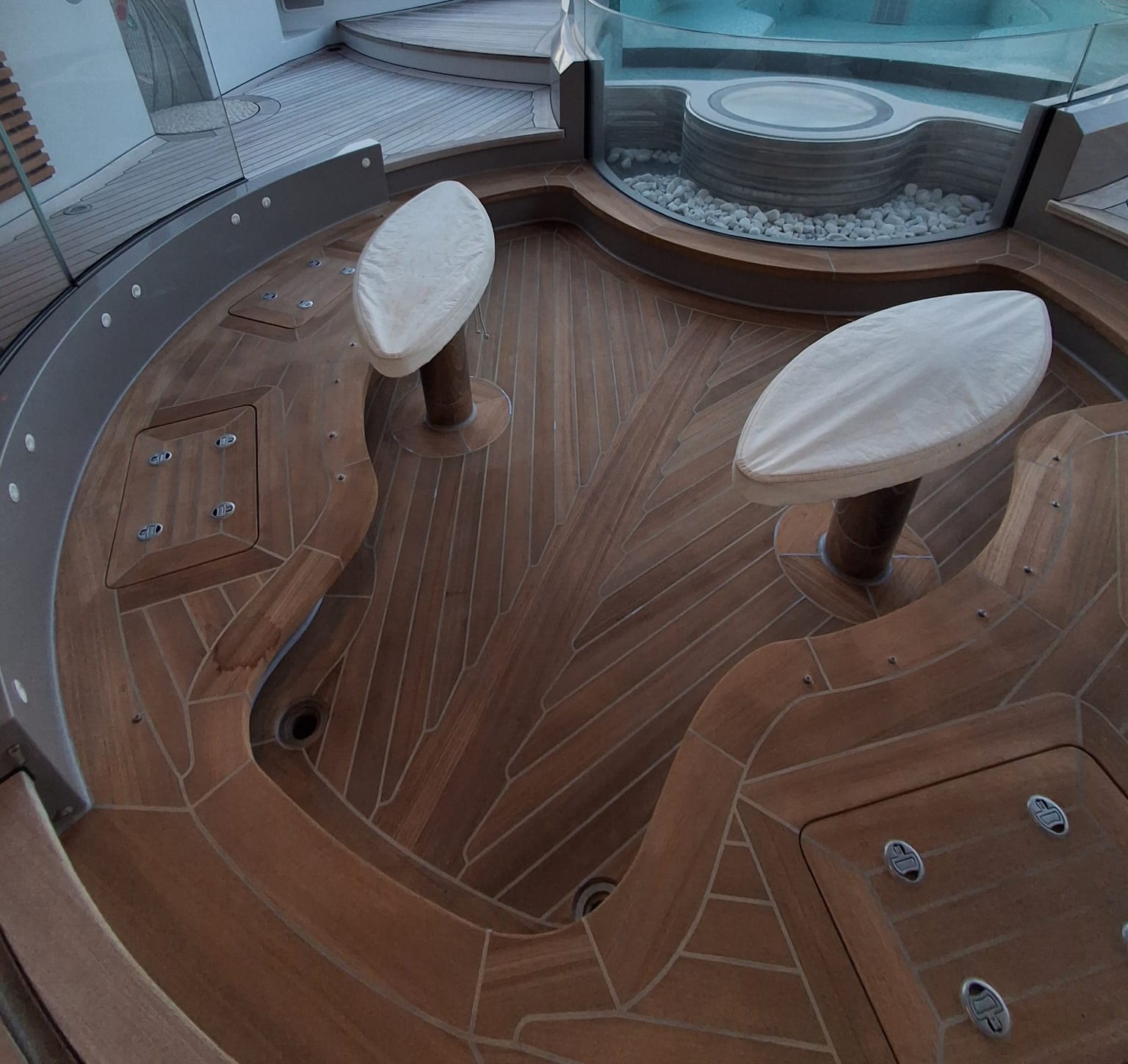
One of the simplest ways to reduce a yacht’s carbon footprint is to make existing materials last longer. Regular inspections and preventative maintenance help identify small issues before they become major problems. Minor repairs can often prevent extensive deterioration that would otherwise lead to costly and environmentally intensive replacement projects.
When it comes to teak decking, less intervention is often better.
Teak is a relatively soft timber, and excessive cleaning can accelerate wear. Aggressive scrubbing, harsh chemicals, and frequent sanding all remove material from the deck and shorten its lifespan.
To maximise deck longevity and sustainability, yacht owners and crews should:
- Avoid acid-based cleaning products
- Limit sanding to when it is genuinely required
- Schedule annual professional inspections
- Repair isolated damage promptly
- Address failing caulking before water ingress occurs
These simple maintenance practices can dramatically extend the service life of a deck and reduce the need for large-scale replacement projects.
Read more about yacht teak deck maintenance
Making Better Use of Teak Resources
Sustainability is not only about reducing emissions. It is also about reducing waste.
Historically, the superyacht industry demanded exceptionally uniform teak with very strict aesthetic requirements. Planks displaying natural grain variation or minor colour differences were often rejected despite being structurally sound. This approach resulted in a significant proportion of harvested timber being discarded or underutilised.
By accepting a wider range of natural characteristics within marine-grade teak, the industry can make better use of available resources and significantly reduce waste. More of each harvested tree can be utilised, reducing pressure on global teak supplies while still delivering the performance expected from premium yacht decking.
Using a greater percentage of each tree is one of the most practical ways to improve sustainability without compromising the quality of the finished deck.
Responsible Teak Sourcing
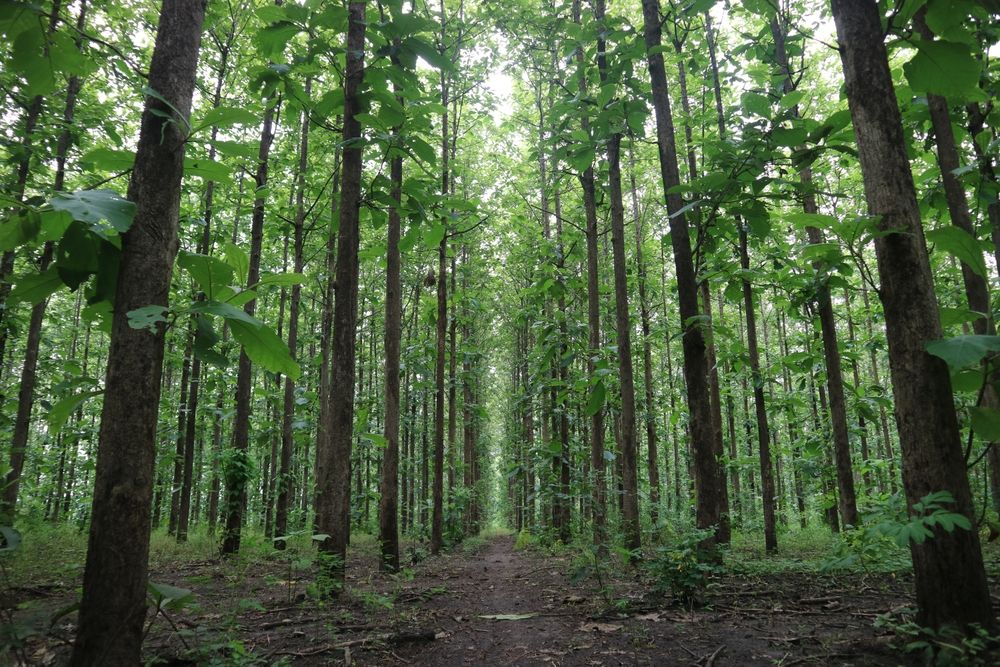
Responsible sourcing remains an important consideration when selecting decking materials. Teak harvested from well-managed forestry operations helps ensure long-term sustainability and supports responsible forest management practices. Managed forests are designed to balance harvesting with regeneration, helping preserve resources for future generations. Indonesia is widely regarded as one of the most reliable sources of responsibly managed marine-grade teak, with established forestry systems that support sustainable harvesting practices.
When specifying teak for yacht decking projects, choosing material from reputable and traceable sources can help reduce environmental impact while supporting responsible forestry management.
Check out our available teak alternatives
Exploring Sustainable Yacht Decking Alternatives
Alongside responsibly sourced teak, many owners and shipyards are now exploring sustainable yacht decking solutions that can further reduce environmental impact.
Tesumo
Tesumo has become one of the most recognised teak deck alternatives within the yachting industry. Developed specifically for marine applications, it offers an attractive appearance, excellent durability, and reliable performance in demanding yacht environments.
By reducing dependence on traditional tropical teak resources, Tesumo provides an option for owners seeking a more sustainable yacht decking solution while maintaining the premium finish expected aboard modern yachts. Its growing popularity among refit and new-build projects reflects the industry’s increasing focus on reducing environmental impact through smarter material selection.
Green Teak
Green Teak takes a different approach to sustainability by focusing on resource efficiency.
Rather than replacing teak entirely, Green Teak aims to maximise the amount of usable material obtained from each harvested tree. By making use of timber that may previously have been overlooked due to aesthetic considerations, Green Teak helps reduce waste and improve the overall efficiency of teak production
This approach allows more decking material to be produced from existing resources, helping to reduce pressure on teak supplies while retaining many of the characteristics that have made teak the preferred decking material for generations. For yacht owners looking to balance traditional aesthetics with environmental responsibility, Green Teak offers a practical and innovative solution.
Sustainability Through Longevity
Perhaps the most important sustainability principle is simple: make materials last longer. The most environmentally responsible deck is often the one that does not need replacing.
Through regular maintenance, timely repairs, professional recaulking, responsible sourcing, and the consideration of innovative teak deck alternatives such as Tesumo and Green Teak, yacht owners can significantly reduce their yacht’s carbon footprint while preserving the appearance and performance of their vessel.
As sustainability continues to shape the future of the superyacht industry, extending deck life and reducing waste will remain some of the most effective ways to lower a superyacht’s carbon footprint without compromising quality. At Kreative Decks, this philosophy guides every project, helping owners and shipyards achieve long-lasting decking solutions that support both performance and sustainability.
Contact Kreative Decks for your yacht deck needs